Tribal
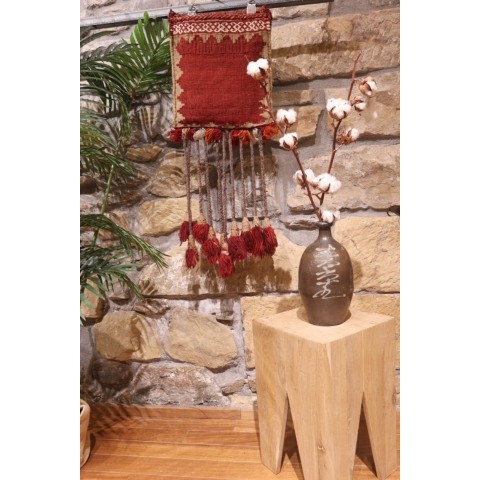
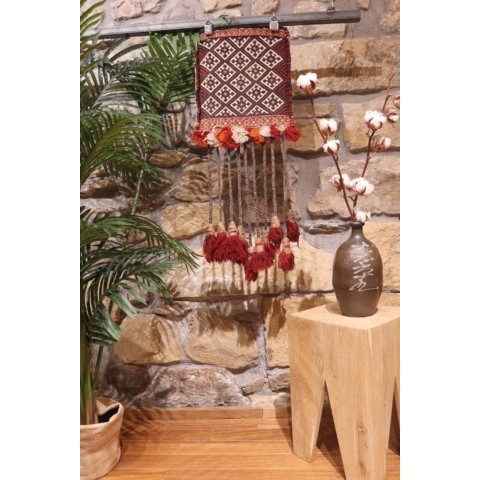
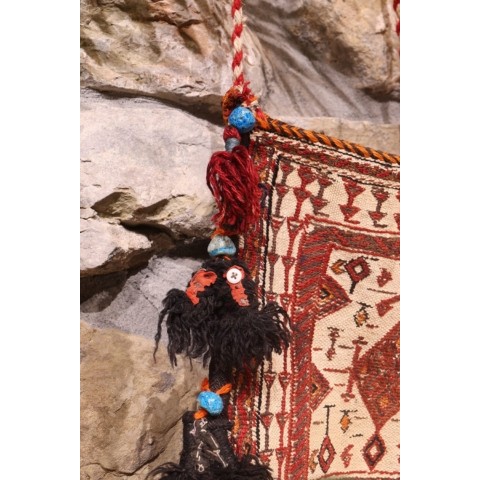
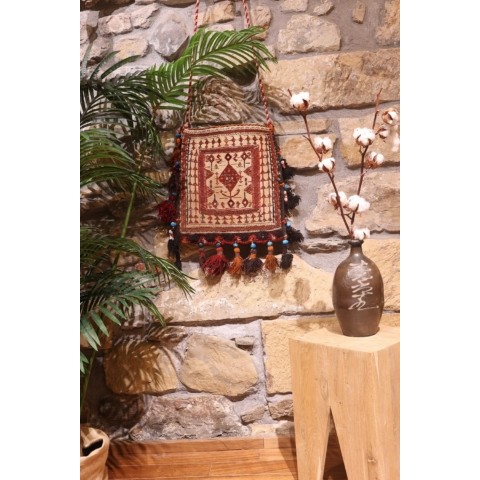
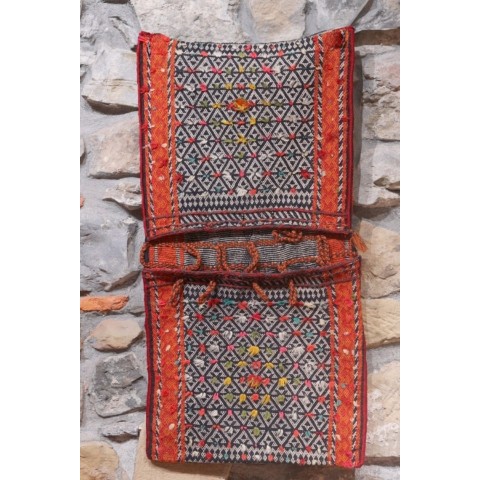
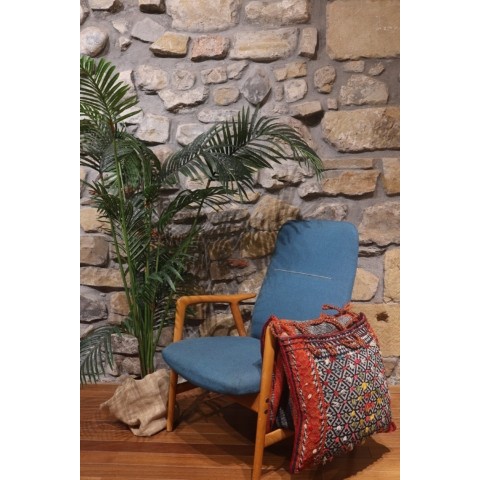
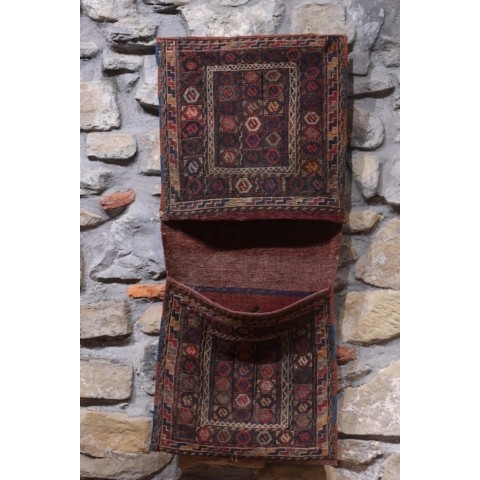
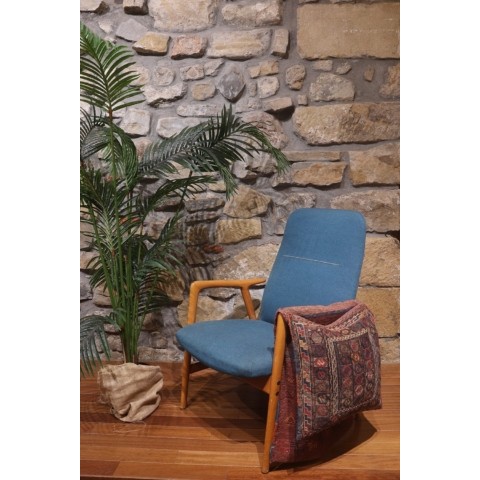
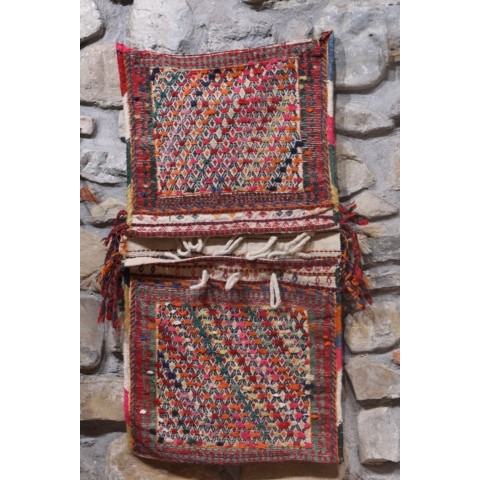
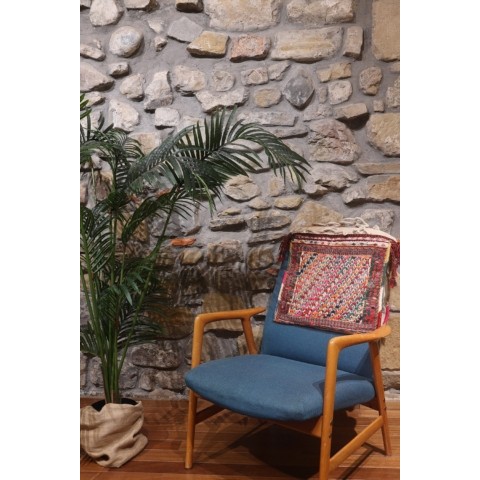
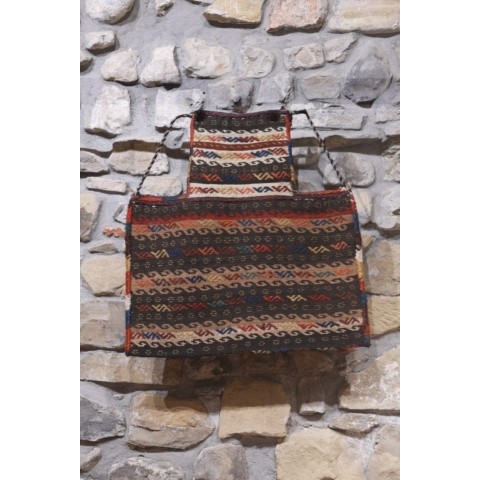
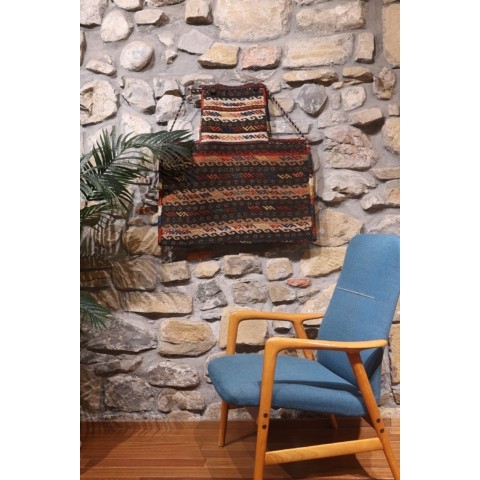
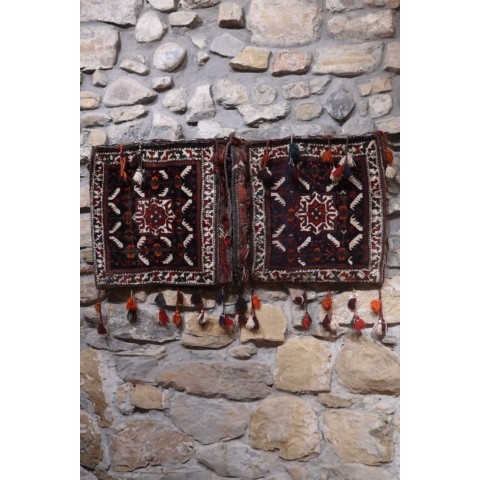
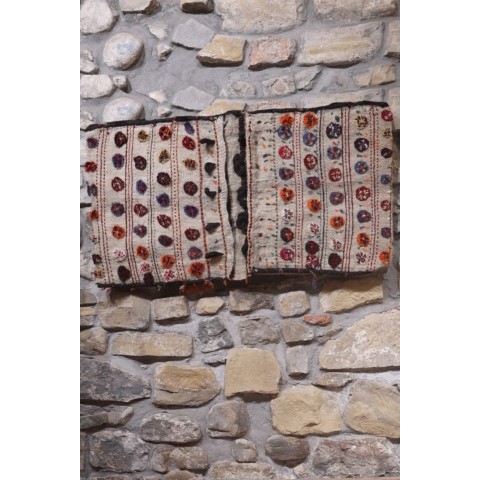
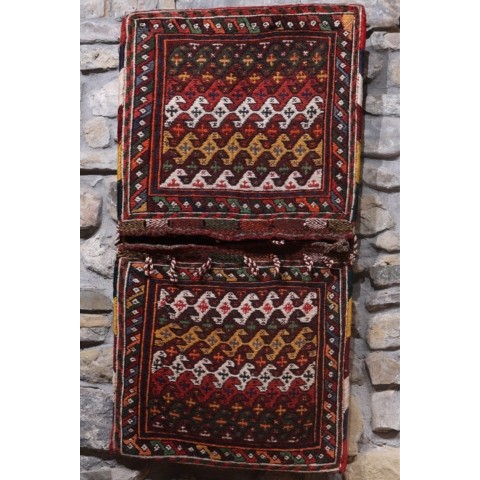
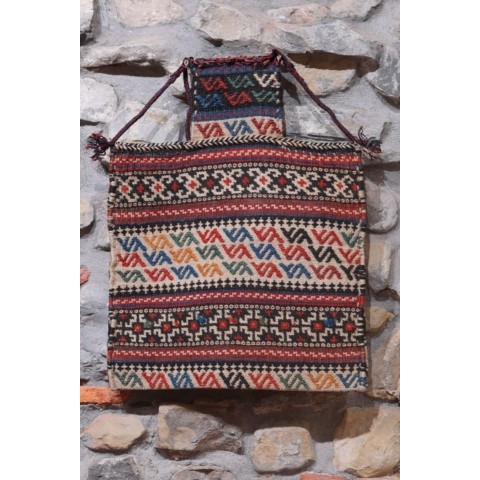
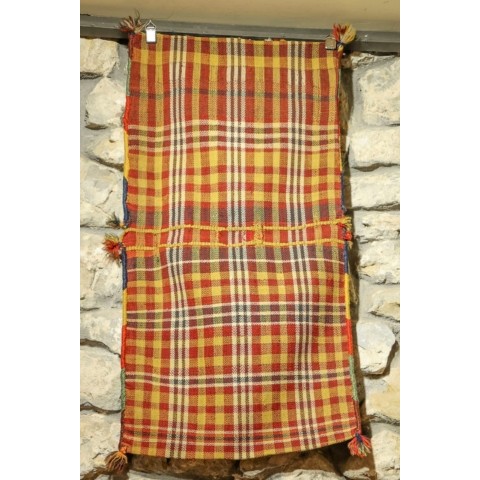
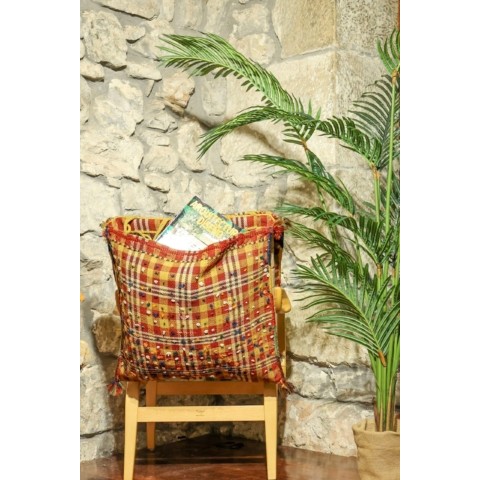
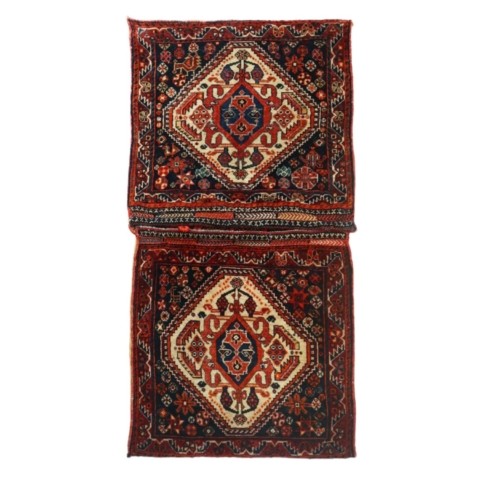
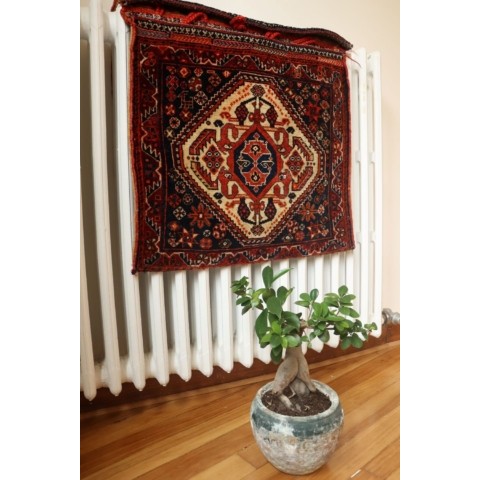
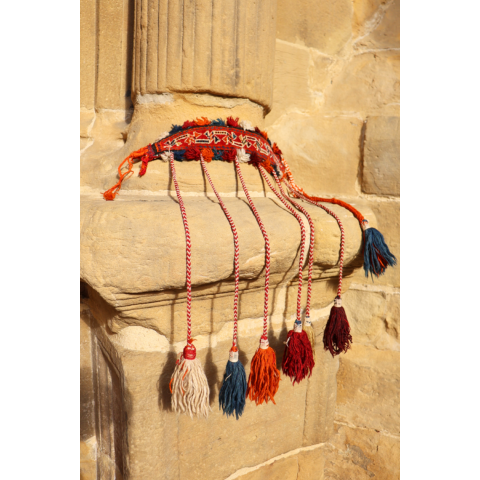
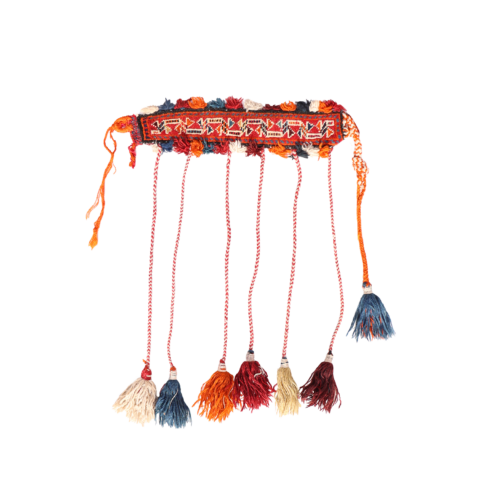
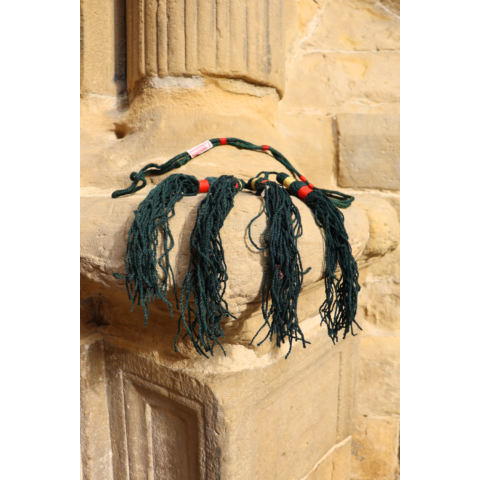
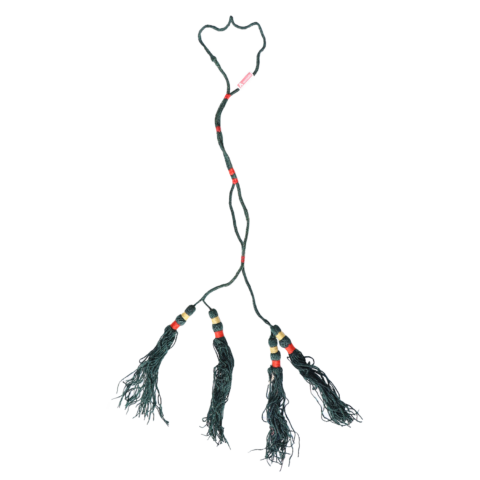
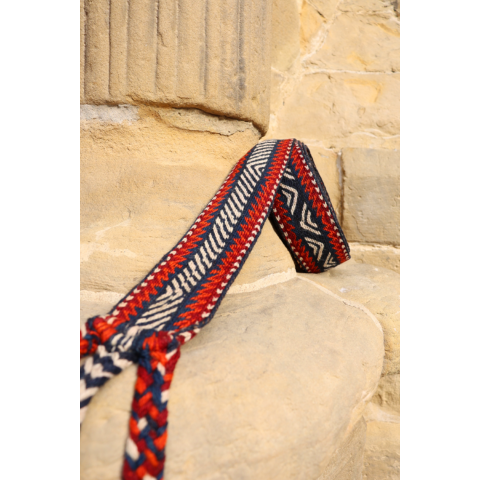
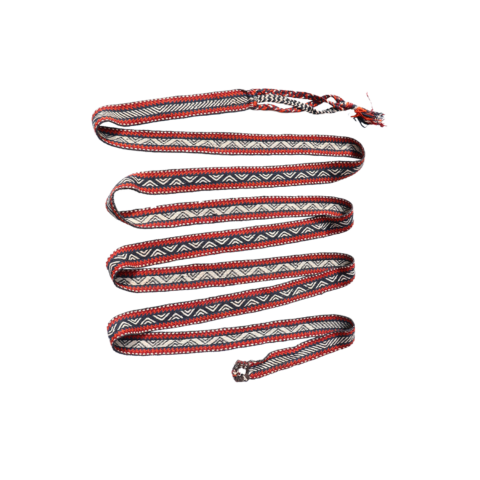
Among the most characteristic pieces are the khorjin or saddle bags, woven to carry provisions, utensils, and personal belongings during seasonal migrations and during settled periods for everyday transportations. These bags, typically made in pairs to be placed over horses, mules, or camels, stand out for their bold geometries, natural colours, and expressive creative designs. We also find the chanteh, small personal bags woven by tribal women to store money, documents, tobacco, sewing tools, and other everyday essentials. Due to their intimate and personal nature, each chanteh is unique, offering a remarkable insight into the imagination of its weaver, often featuring protective symbols, animals, and richly expressive geometric motifs. The namakdan, or salt bags, are among the most distinctive expressions of tribal textile art. These bags were used to store and transport salt, an essential resource for nomadic communities and their livestock. Despite their utilitarian purpose, many feature highly sophisticated designs, making them sought-after collector’s pieces today. The collection also includes tribal cradles and baby carriers, woven specifically to protect and transport children during the journeys of nomadic families. These pieces combine functionality, beauty, and symbolism, often incorporating motifs intended to protect the child and bring good fortune. Of particular importance are the decorative ornaments for horses and camels, used to adorn the forehead and chest of animals during travel, ceremonies, and celebrations. These textile pieces, often richly woven or embroidered, served not only an ornamental function but also held symbolic and protective significance within nomadic tradition. Also notable are the horse and camel blankets, used to protect and dress animals in daily life or on special occasions. Crafted with the same attention to detail as rugs and kilims, they reflect the close relationship between nomadic communities and their animals. The mafrash are large textile storage containers used for holding and transporting bedding and household goods. Woven in a box-like, foldable structure, they were essential in nomadic life, allowing belongings to be easily organised and moved during seasonal migrations. Today, they are highly valued as decorative pieces for their structure and rich textile character. The malband are woven bands or straps used to secure and fasten loads during travel. Beyond their practical function, they often feature geometric designs characteristic of tribal weaving, reflecting the visual identity of each group.