975.00 €
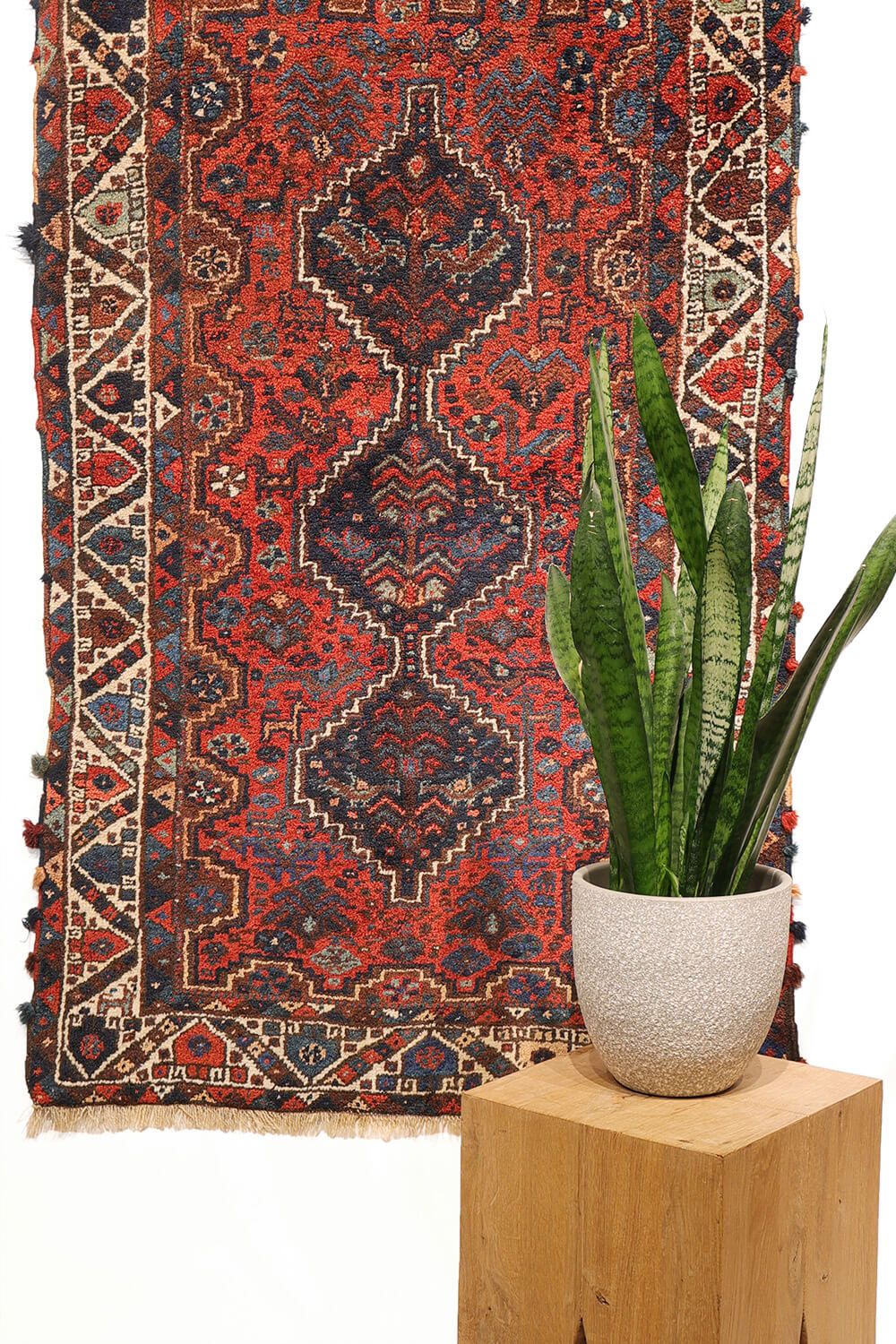
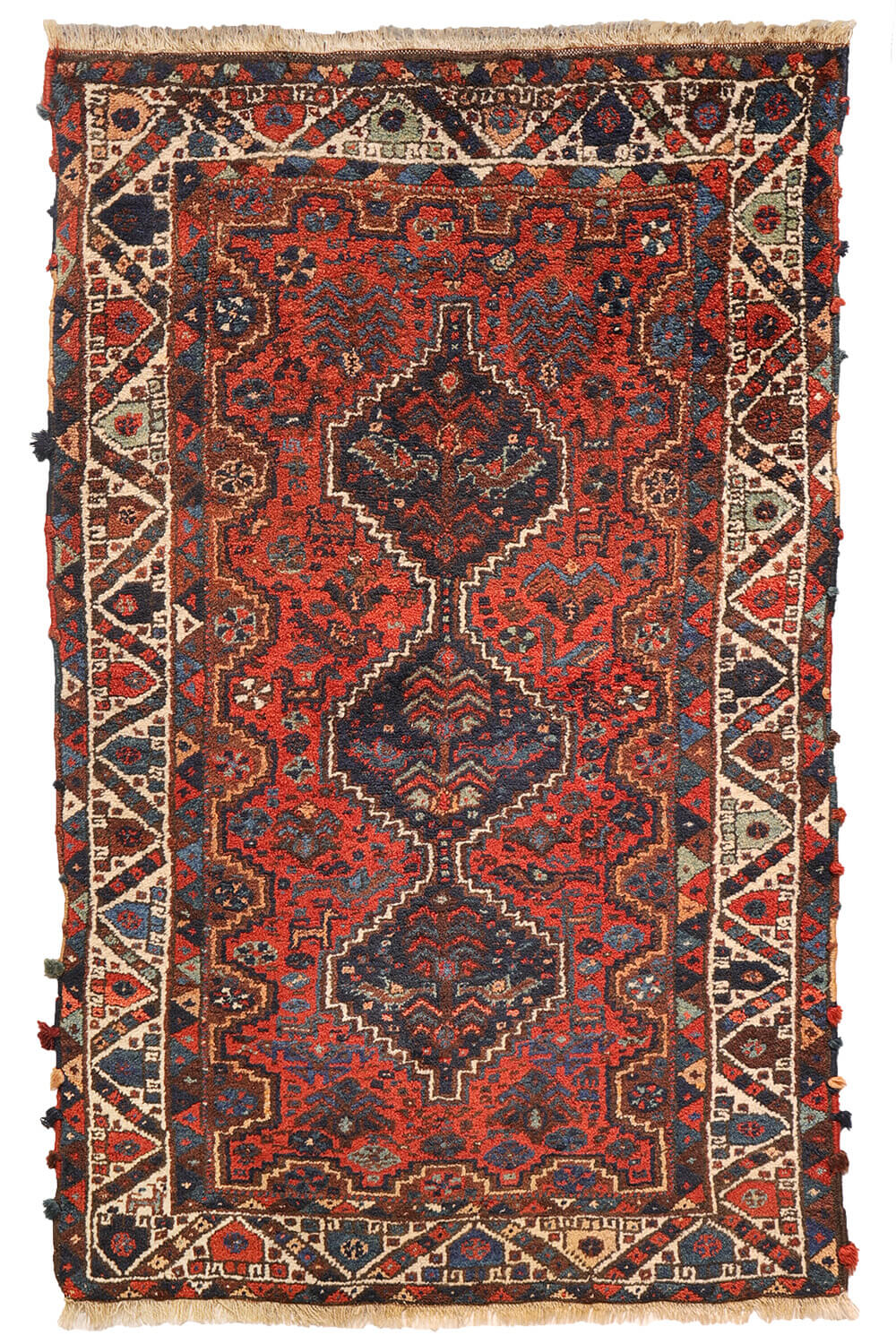
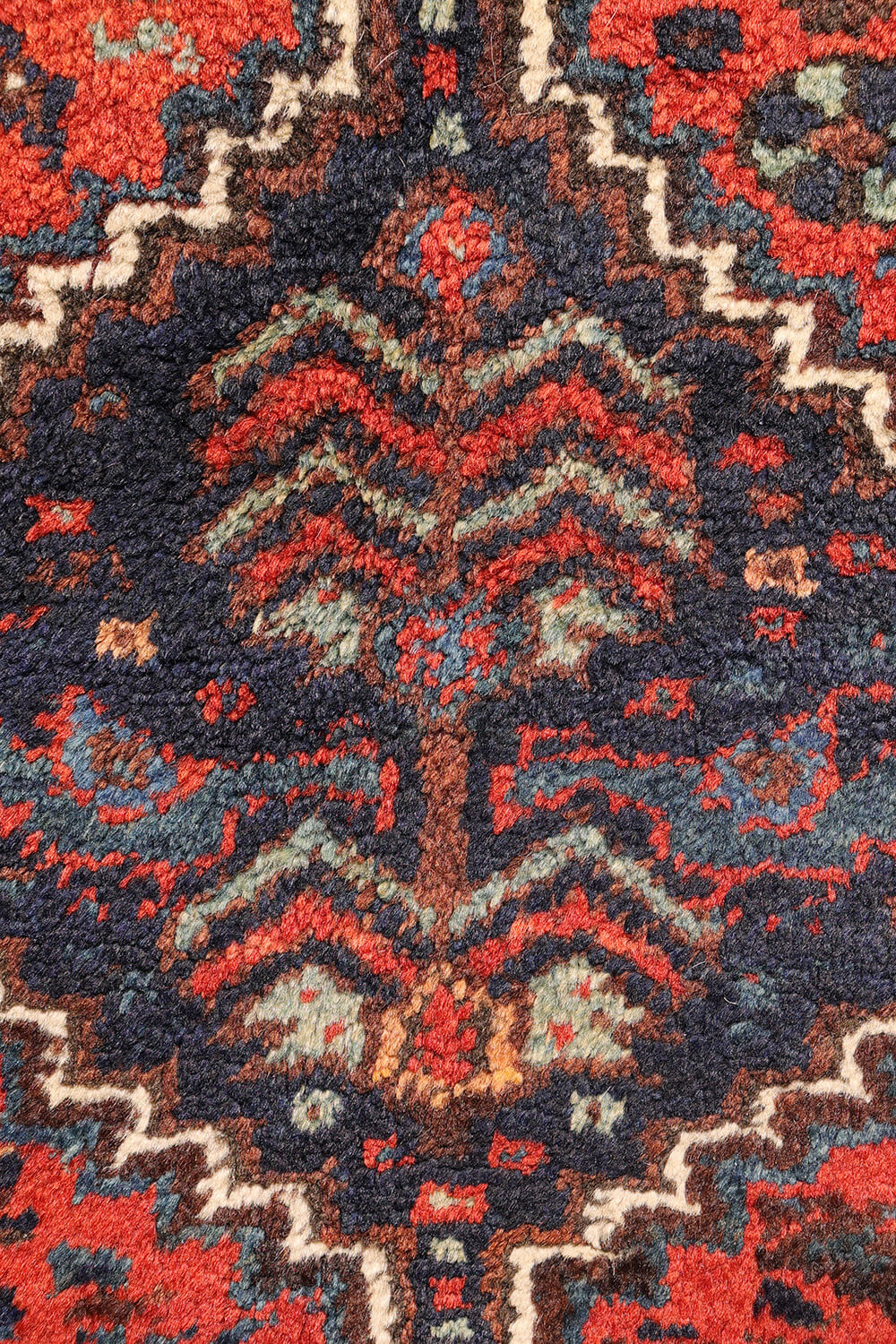
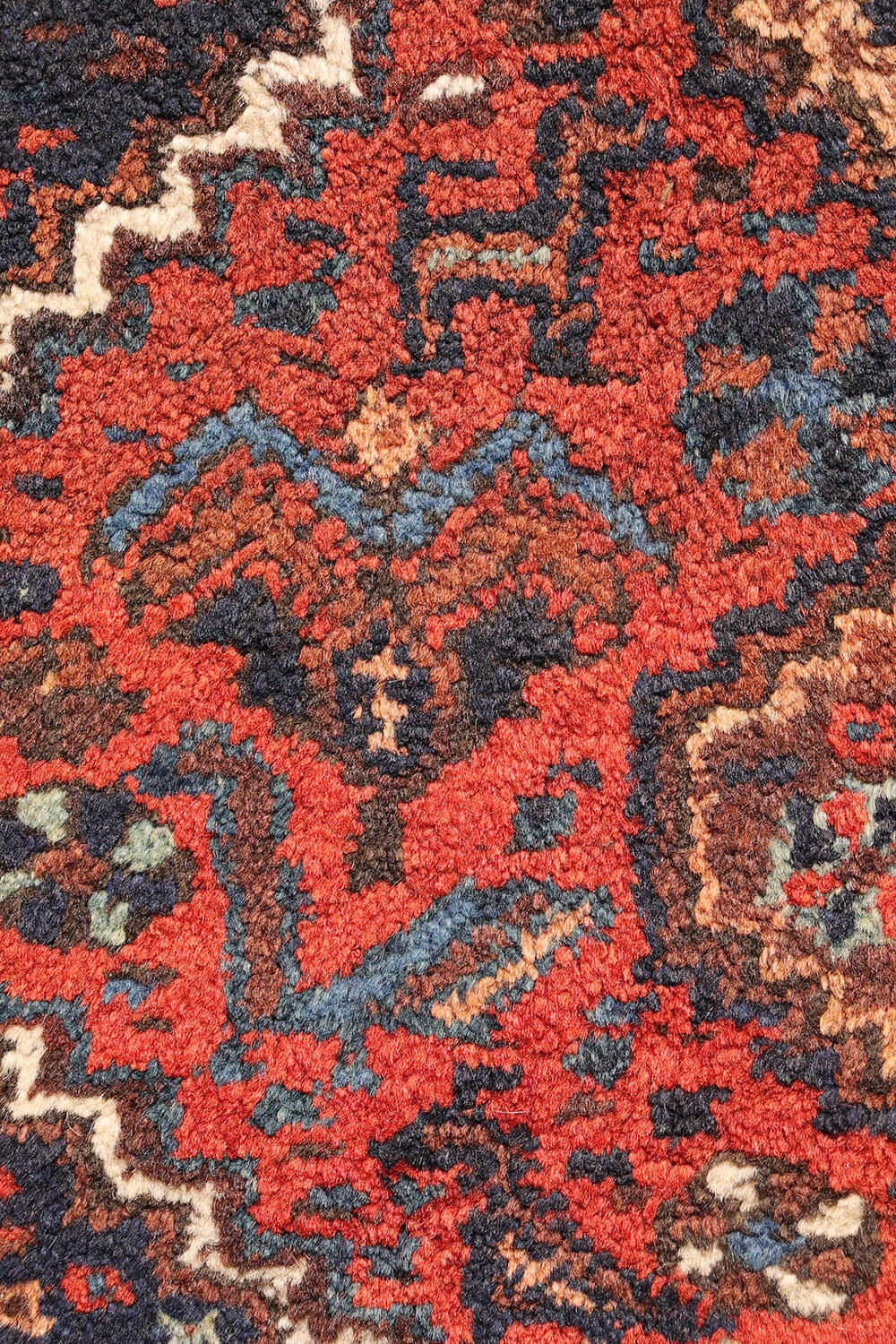
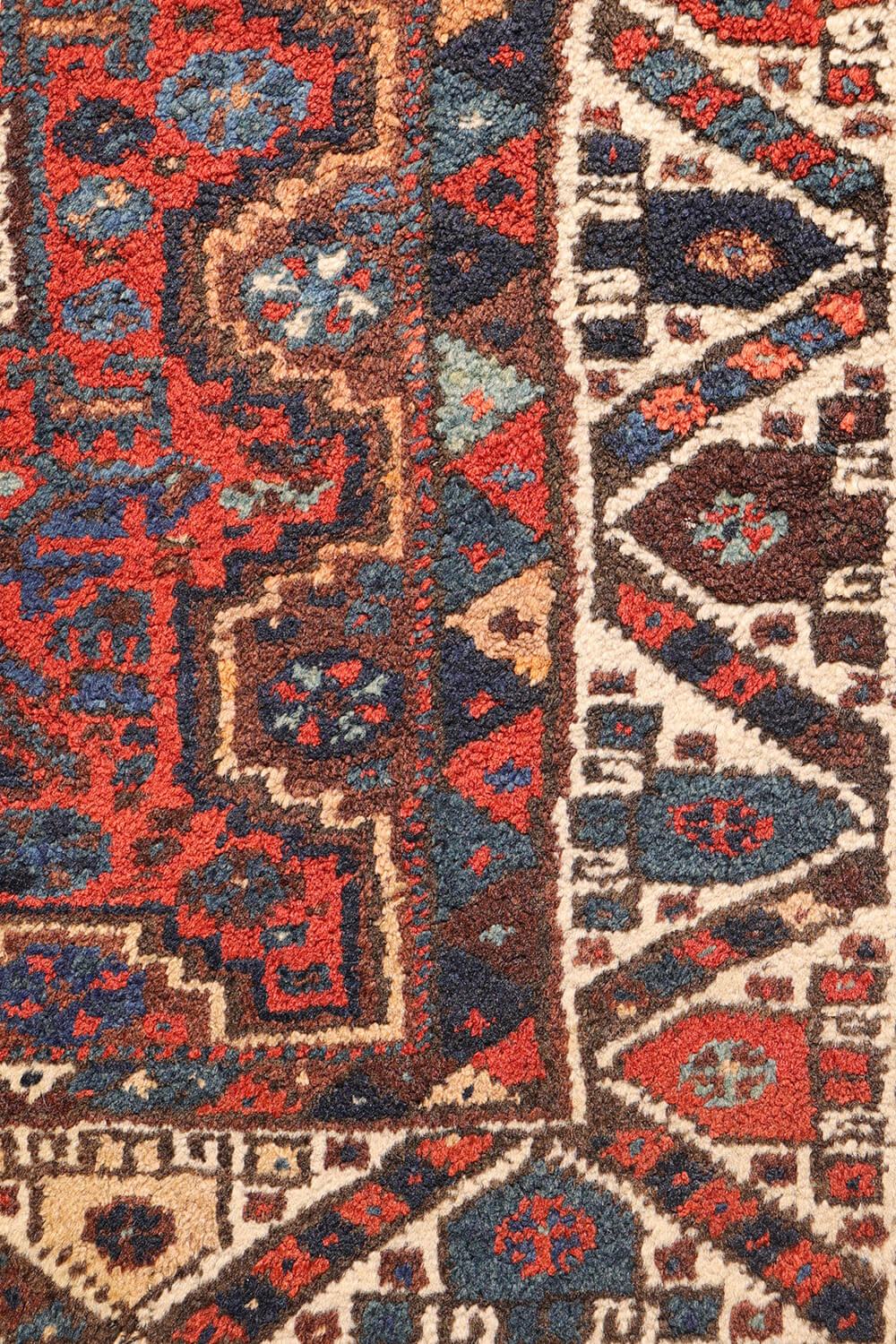
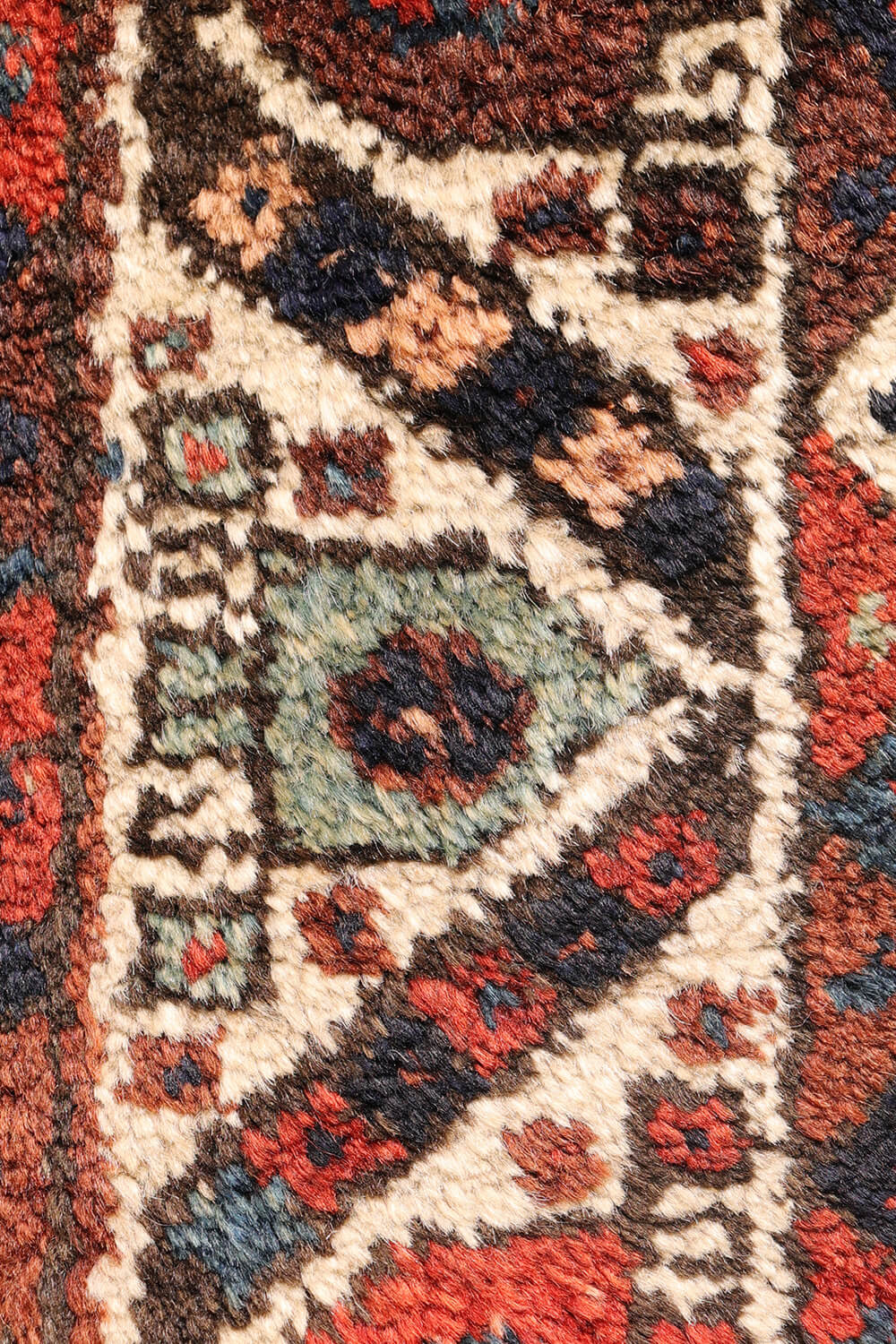
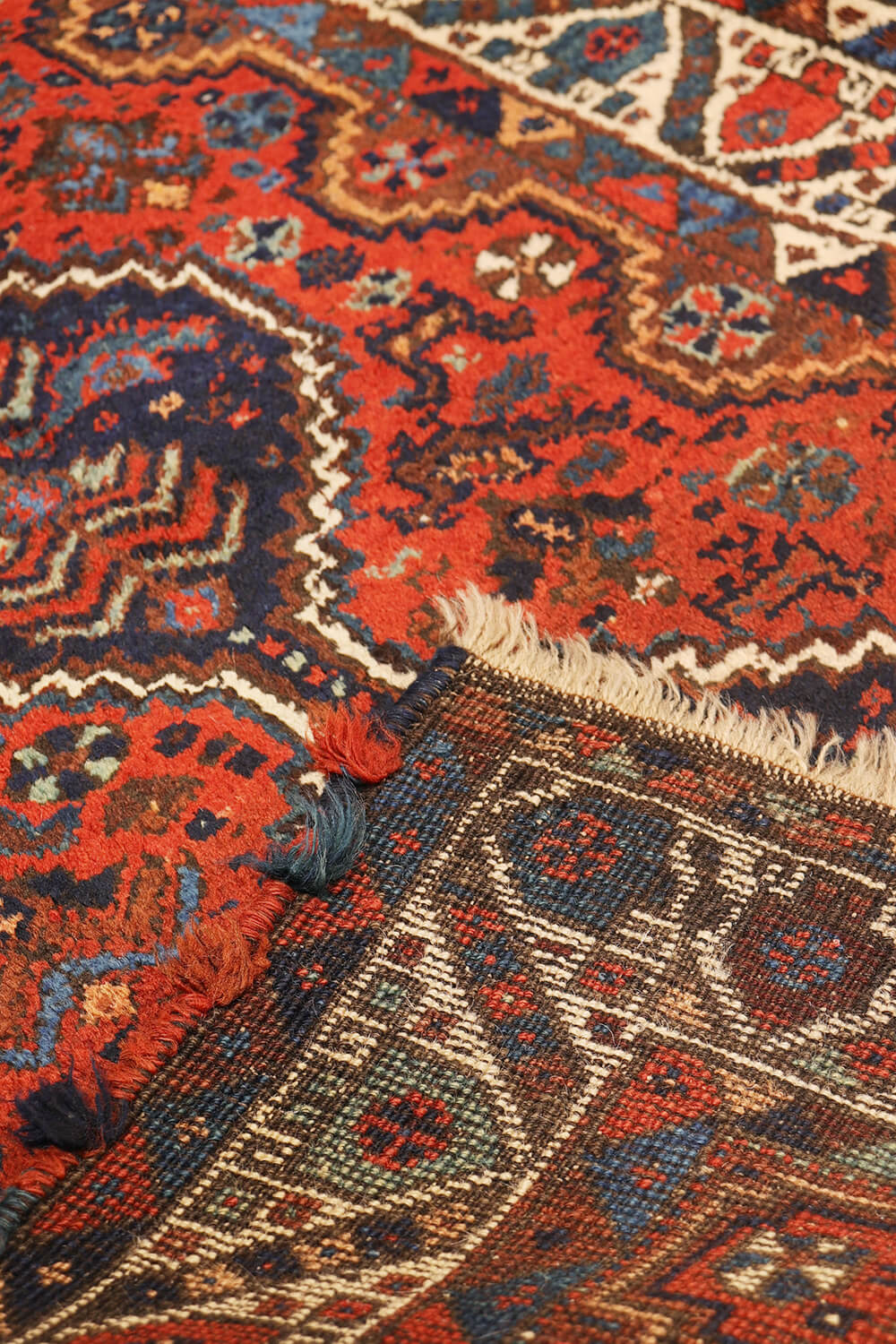
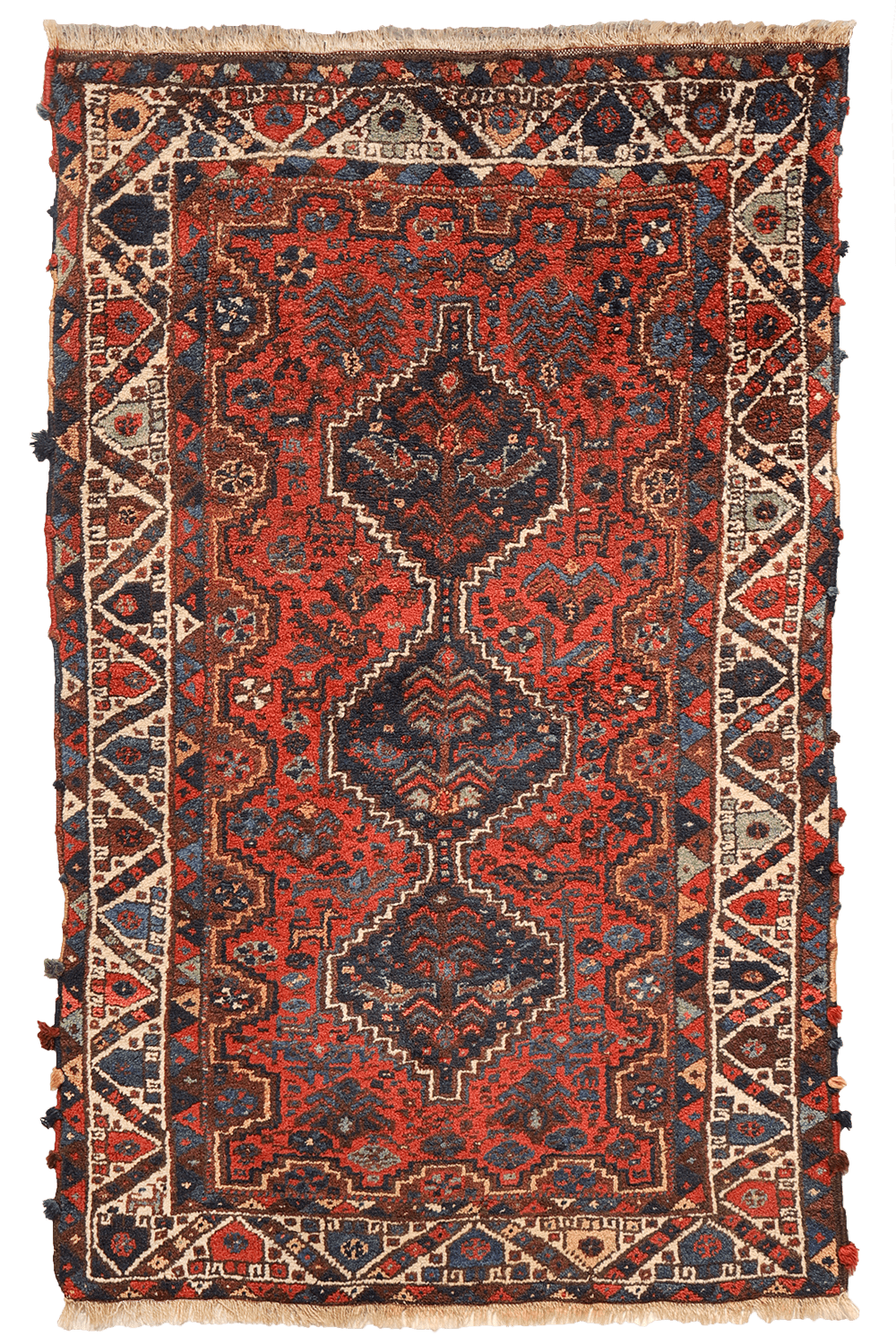
A superb antique Laberduni rug with a full, exceptionally long pile and a beautiful palette of natural dyes. Remarkably well preserved, the pile retains an impressive depth and softness, appearing almost as it would have when the rug first came off the loom approximately a century ago. The natural colours include a rich deep terracotta ground, complemented by delicate pistachio green and light blue tones.
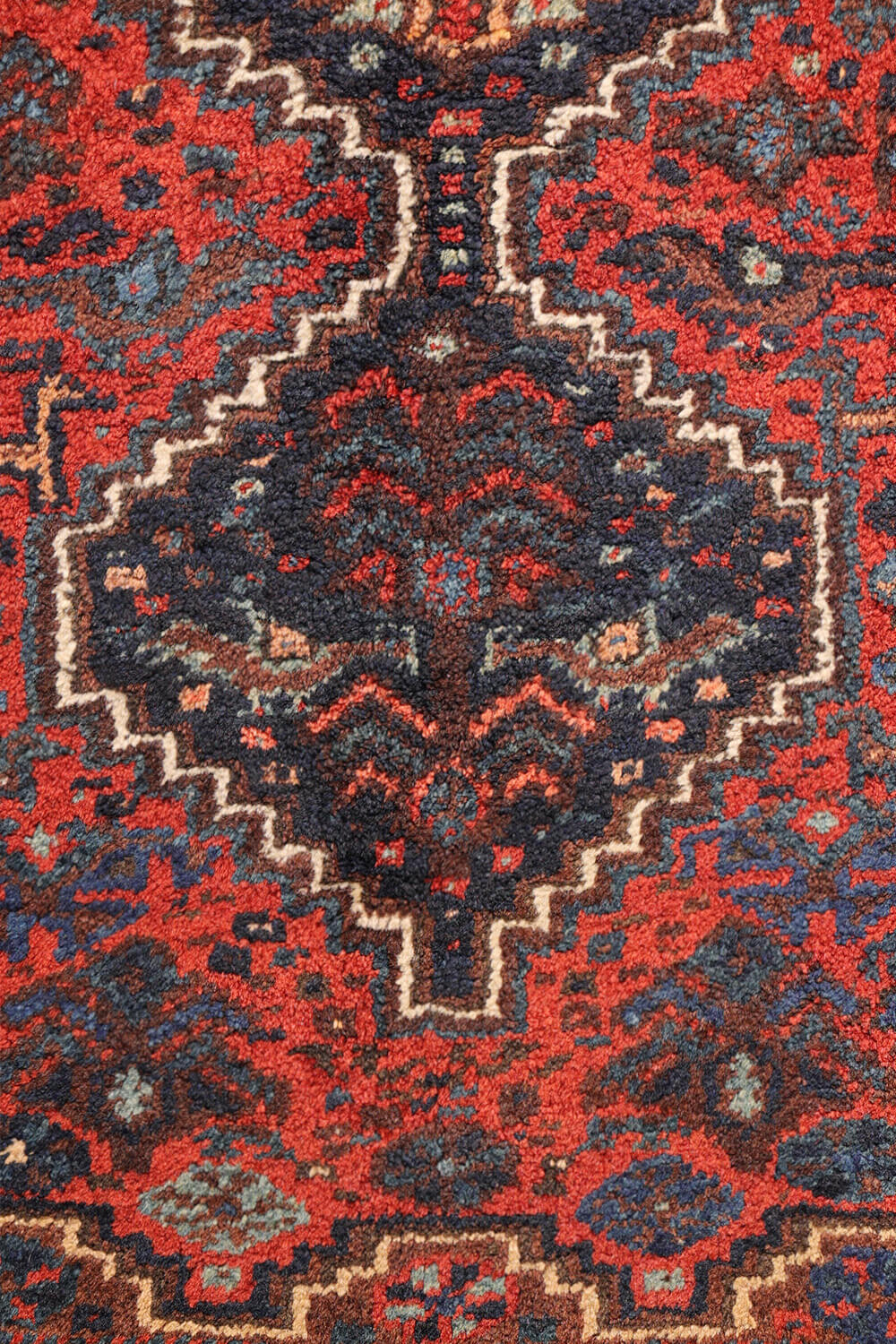
The central composition consists of three interlocking medallions, each enclosing a stylised Tree of Life. At the foot of each tree, a pair of birds faces one another, creating a harmonious and symbolic arrangement.
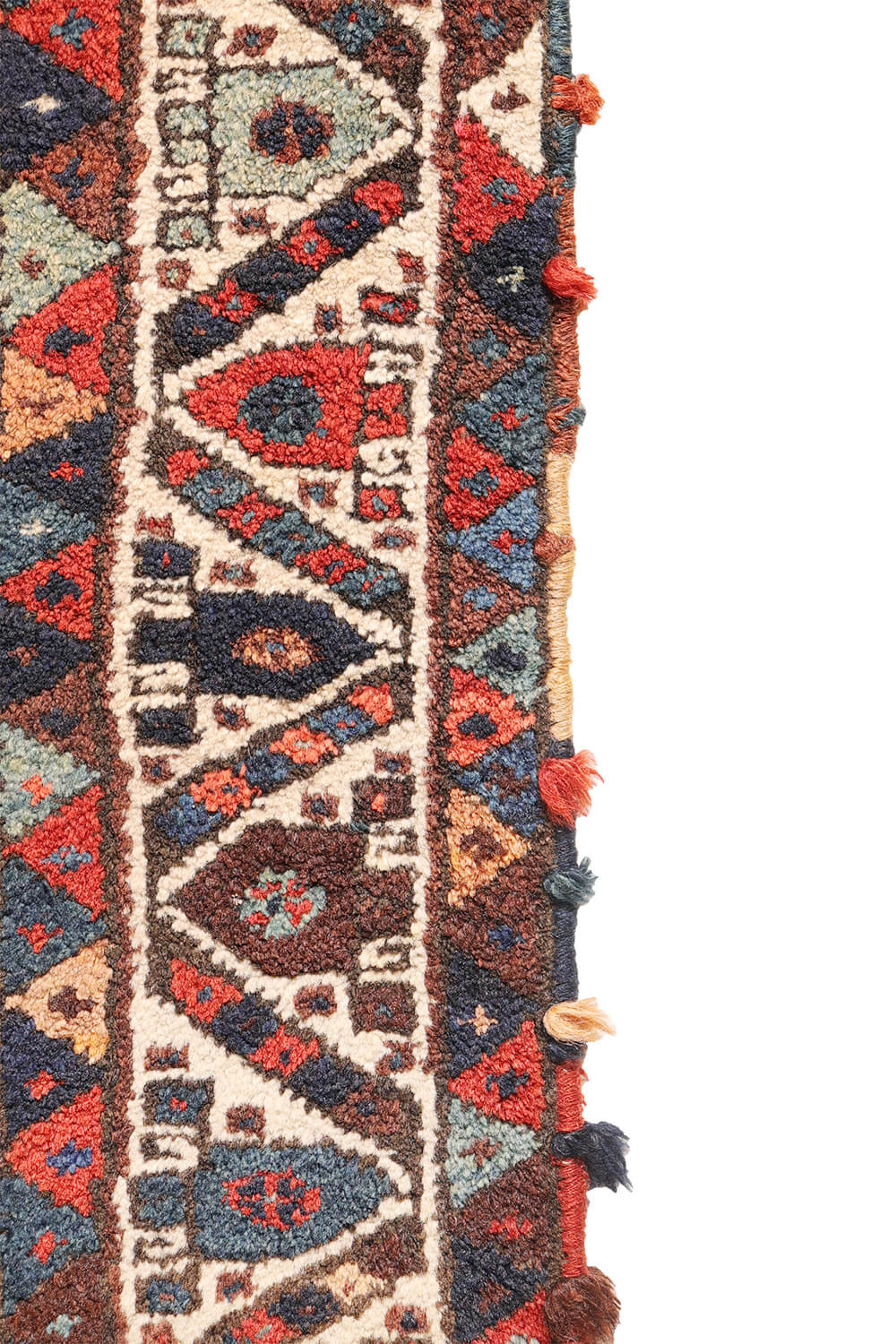
The main field is animated by a spontaneous scattering of birds, goats, peacocks, flowers, bushes and geometric motifs. Their seemingly random placement gives the composition a lively, natural character. In contrast, the main and secondary borders are more formally organised, with a balanced and symmetrical design dominated by distinctive triangular motifs.
The rug retains its original colourful side cords, characteristic of the region, and remarkably, traces of some of the original pompons can still be appreciated. These surviving details add to the rug’s authenticity and preserve important elements of its original finish.
Material: 100% hand-spun sheep wool
Size: 140×83 cms
Origin: Laberduni tribe, Irán
Date of weaving: 1920-40s
Arab nomads of Fars Province, Iran, are descended from certain Arab tribes of Najd, Yammaneh and Omman who migrated in the 7th and 8th centuries following the Arab contest (640 A.D.) and the advent of Islam. They speak a corruption of Arabic and Persian.
Althoug Arab nomad piled production encompasses a great and astonishing variety of designs, with field patterns much more varied than other tribes of Fars, the Arab weaver´s adherance to a generally dark and sober palette has denied them the artistic recognition they deserve.
1 in stock
Additional information
| Weight | 4.9 kg |
|---|