3,250.00 €
Exceptional Antique Uzbek Julkhyr Rug with Inscription
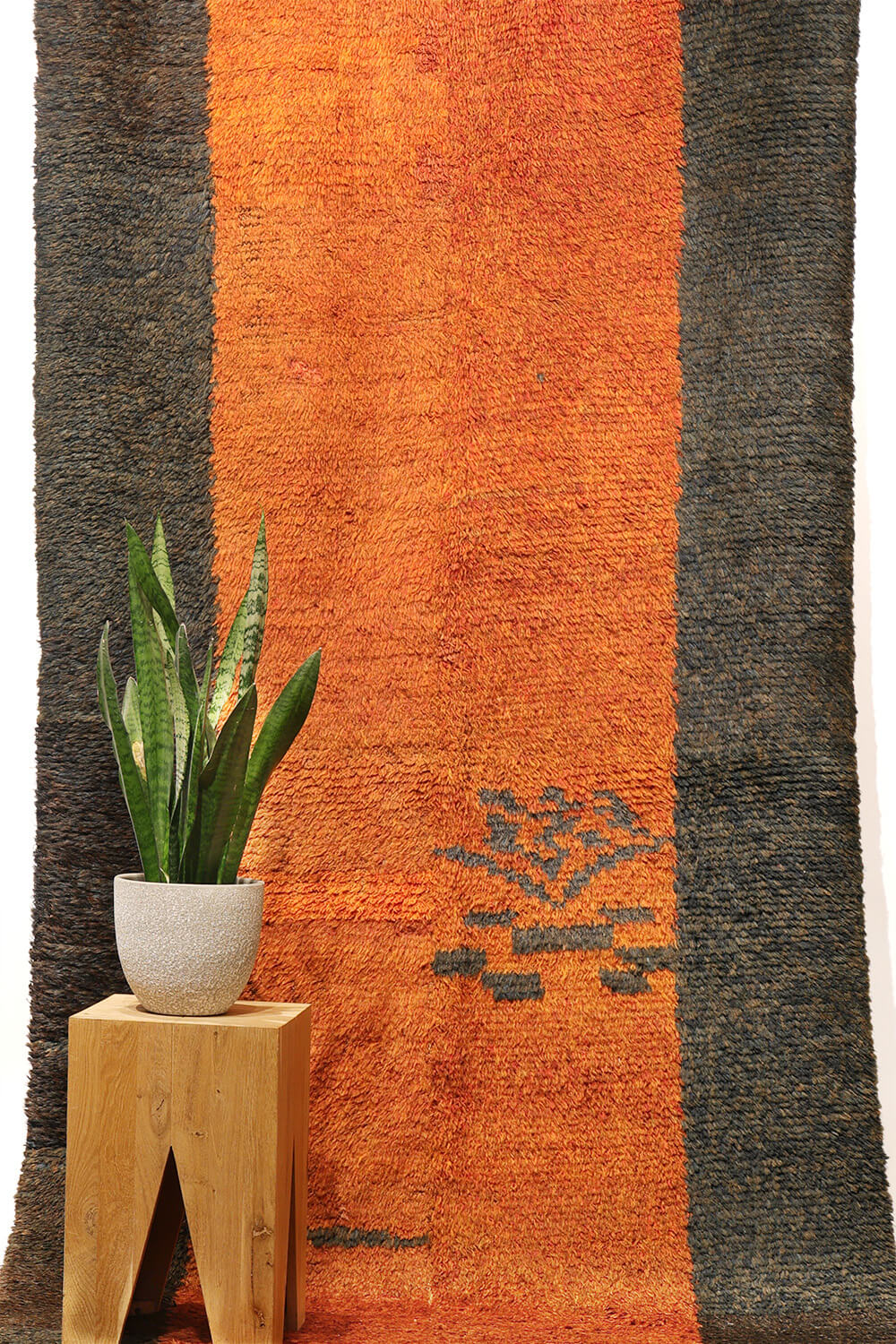
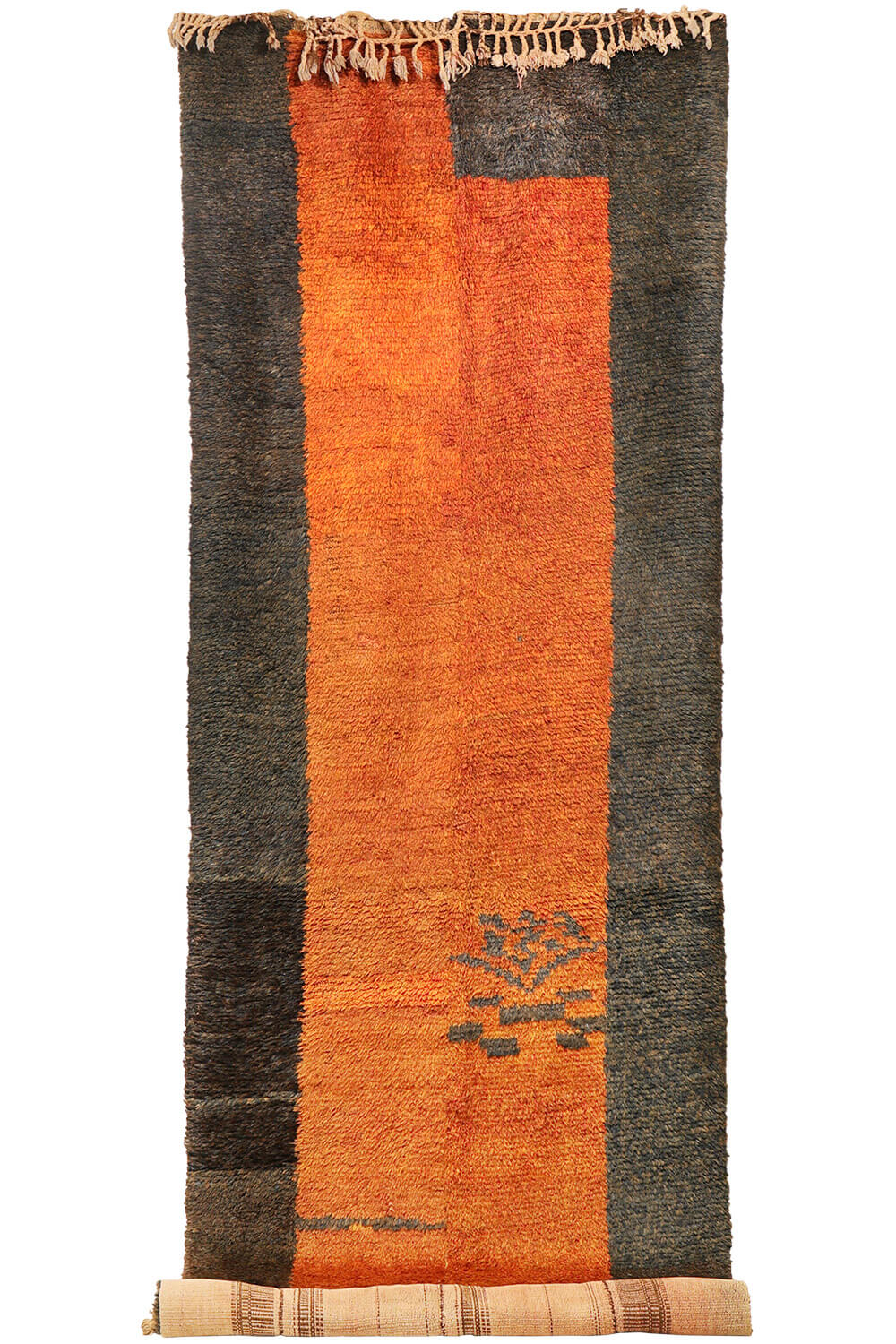
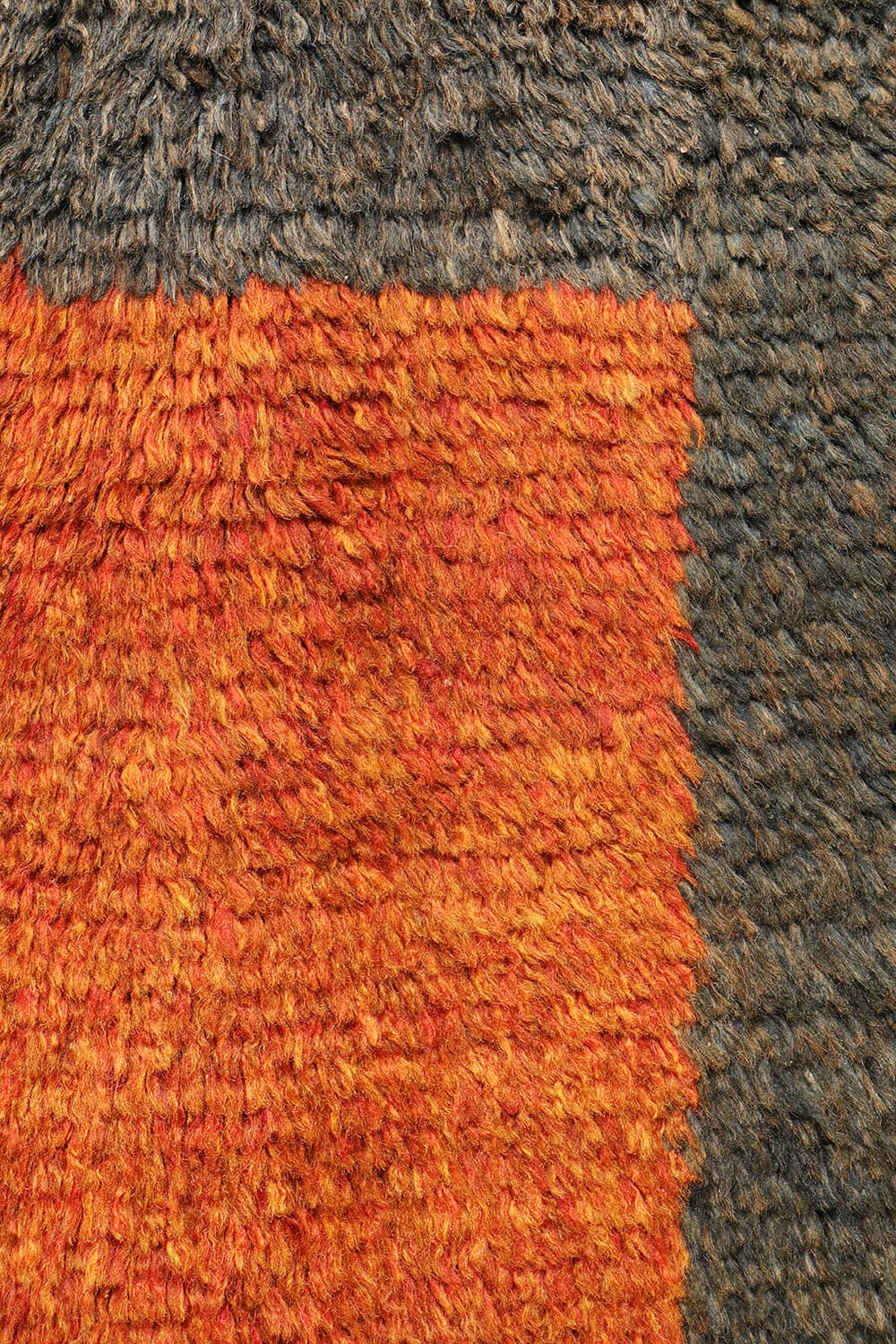
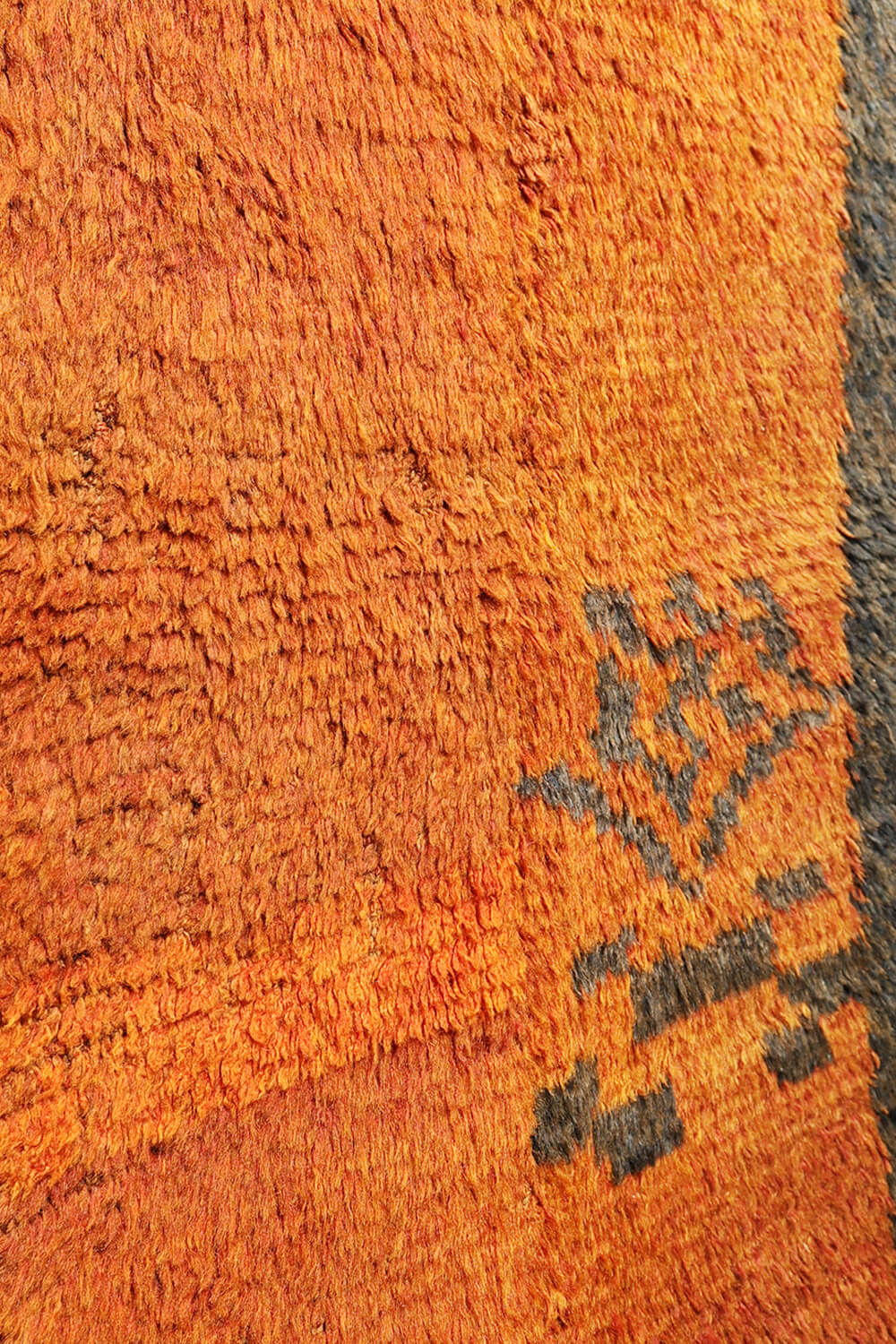
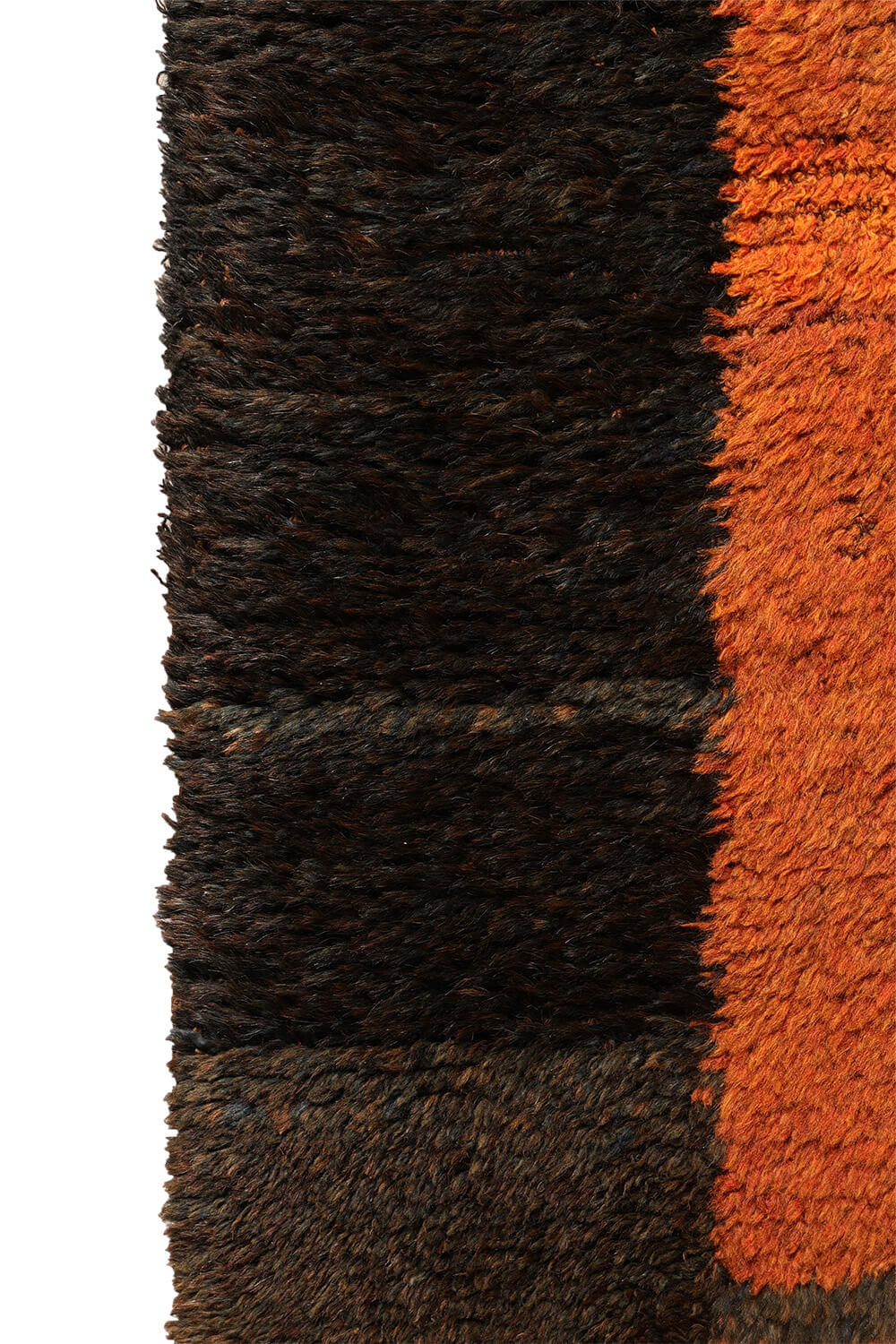
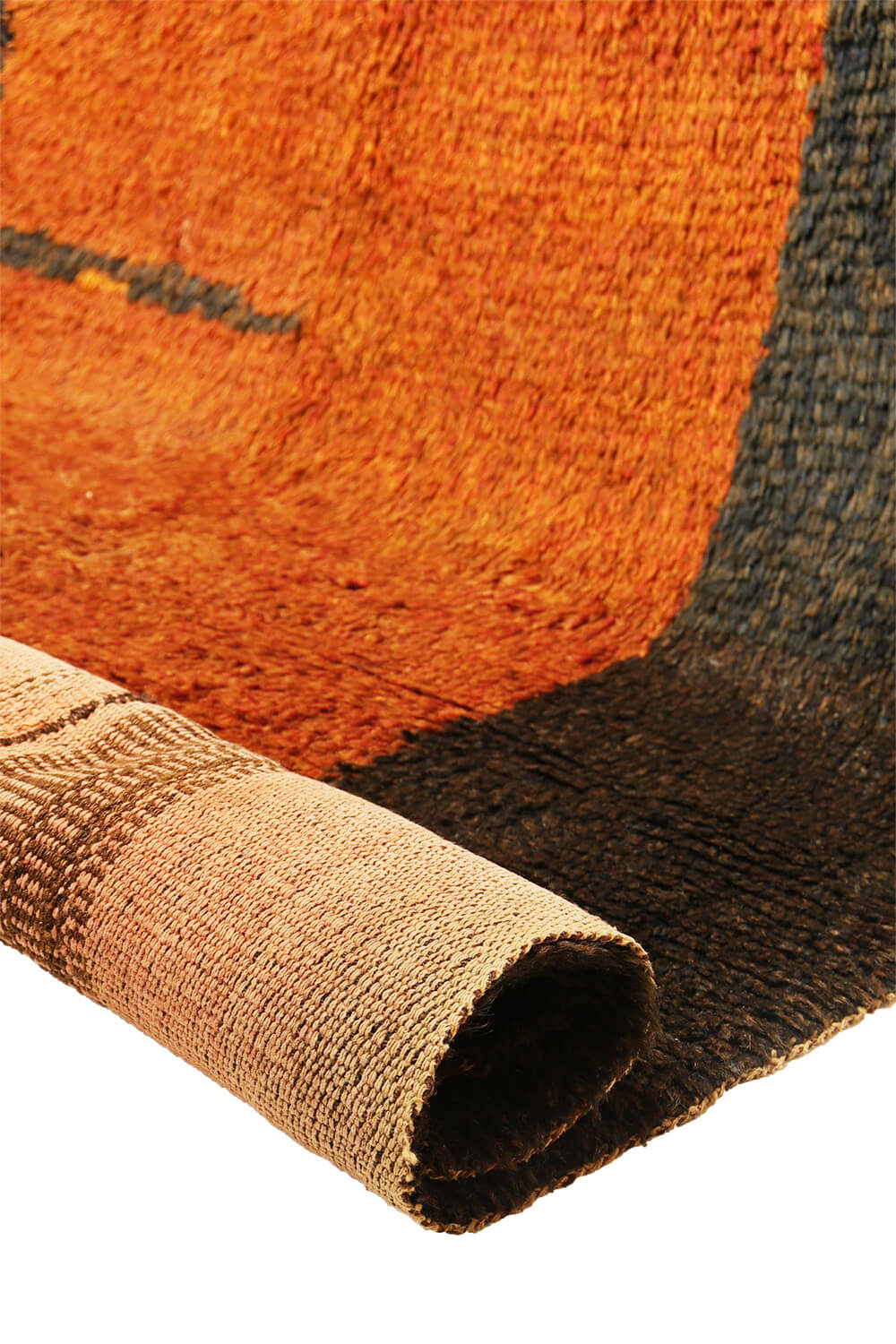
A truly stunning piece! This extraordinary antique Uzbek Julkhyr rug stands out immediately due to a rare inscription woven directly into its design. Please also note the asymetry in the colour use in the central field in the upper part, with the introduction of a block of blue colour.
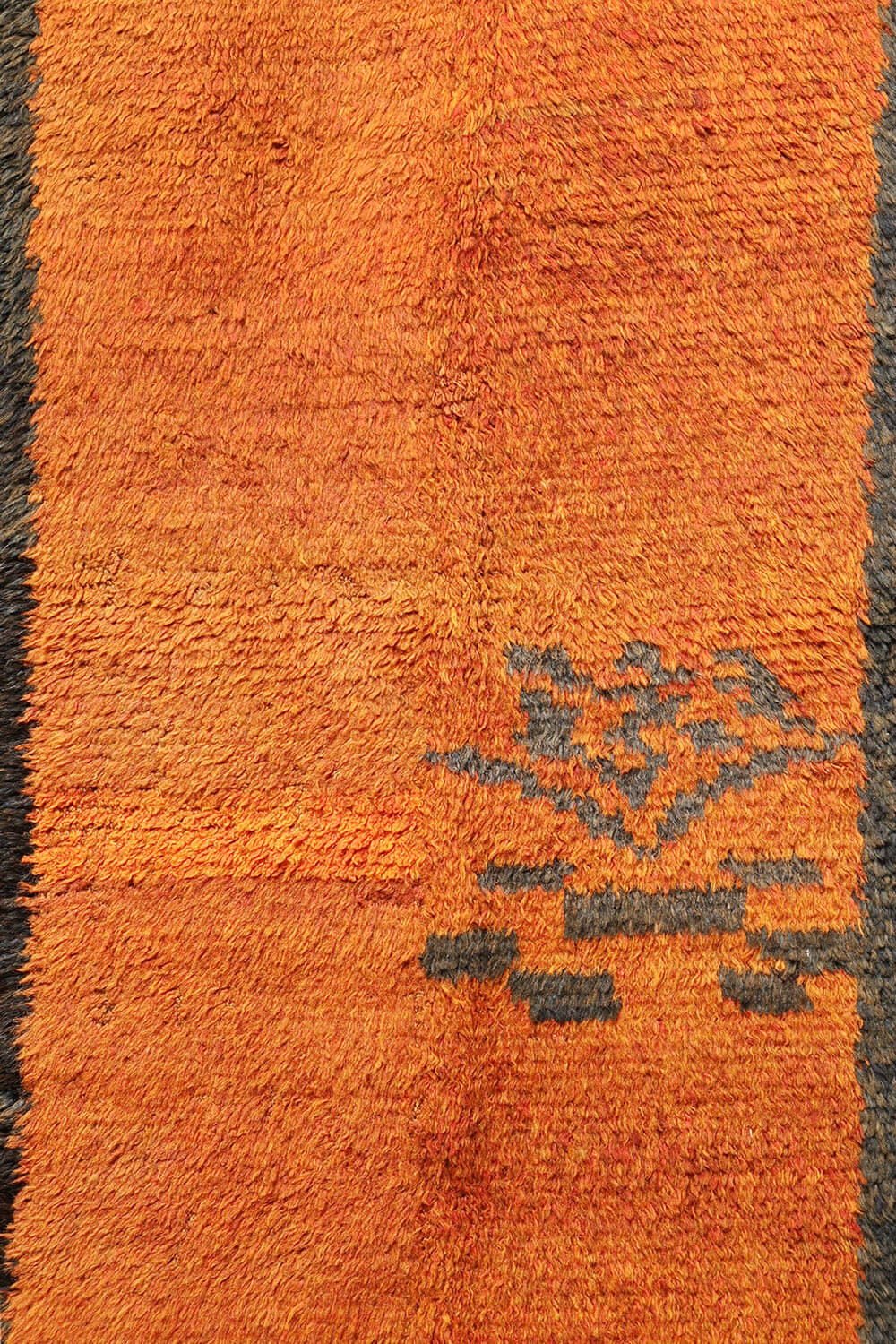
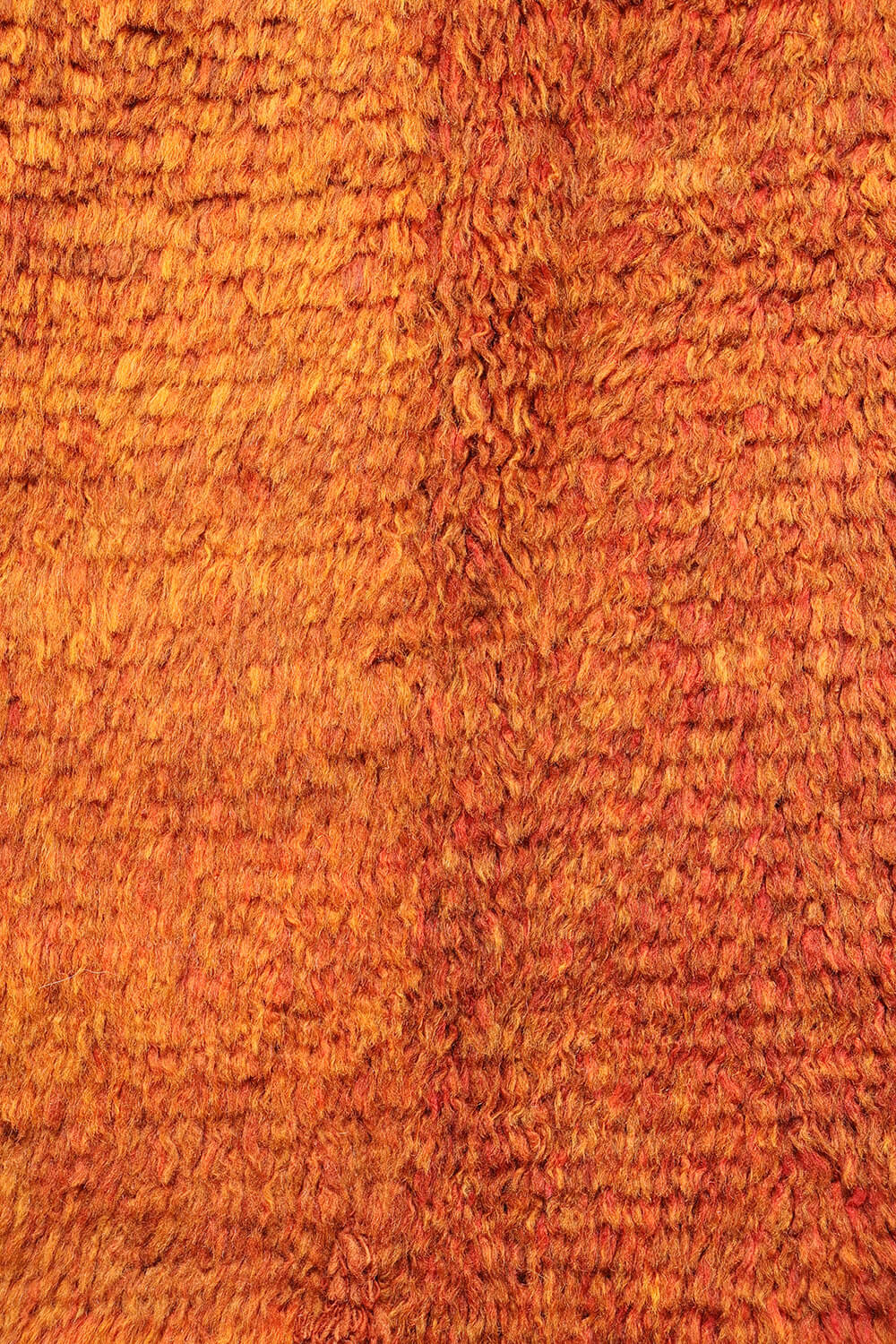
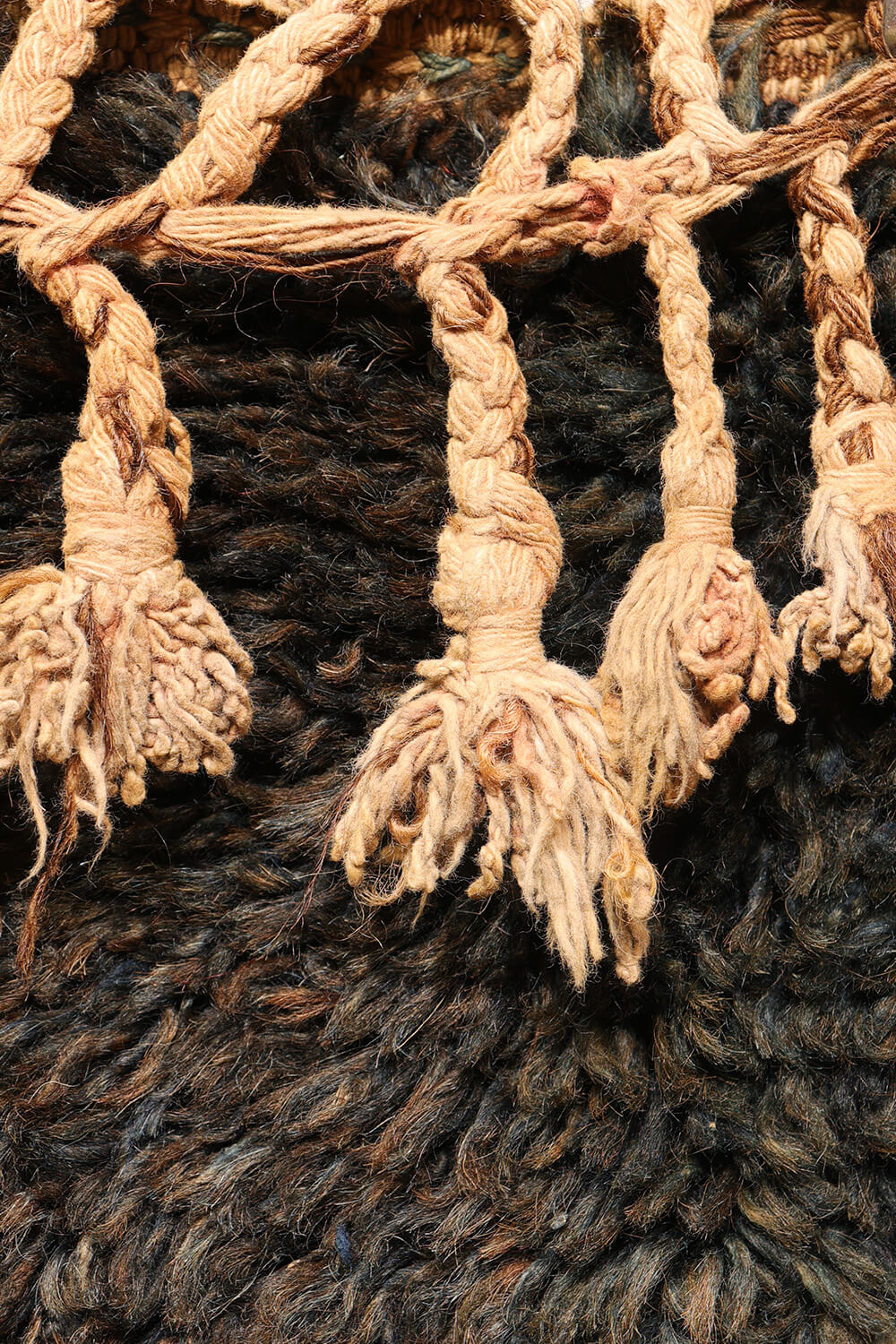
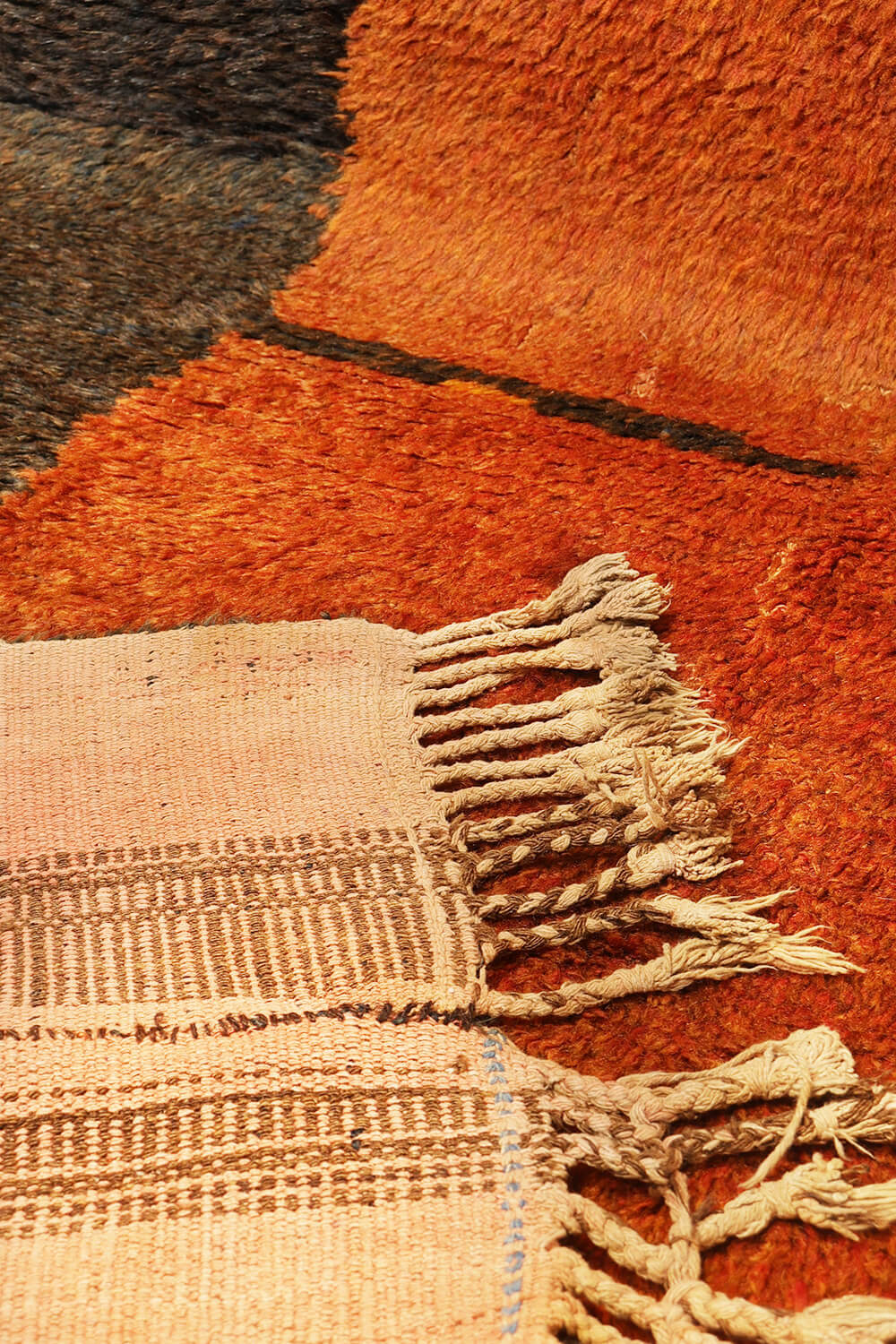
Traditionally, Julkhyrs were primitive, coarsely woven textiles with a long pile, crafted to serve as sleeping mats or heavy body coverings against the cold. All the dyes are natural. This Julkhyr is in mint condition, and still retains the original plaited fringes.
What sets this particular Julkhyr apart from any other—making it a unique collector’s item—is its central motif, which features a woven script or written inscription. This Julkhyr is a remarkable piece of tribal art.
Material: 100% hand-spun sheep wool and hemp? for the warp
Size: 394×125 cms
Origin: Uzbek tribes, Afghanistan
Date of weaving: 1900s
Julkhyrs: The Archaic Textile Art of Central Asia
Julkhyrs—traditional Uzbek long-pile carpets—are highly prized among collectors and connoisseurs of Oriental art. Unlike the refined, intricate decoration of Persian rugs, the aesthetic of Julkhyrs is strikingly “primitive” and minimalist in both pattern and color palette. Surprisingly, this appearance aligns seamlessly with modern and contemporary interior design, breathing new life into these unique textiles.
Craftsmanship and Texture
The uniqueness of Julkhyrs lies not only in their laconic decoration, but also in their texture and manufacturing technique. The classic format consists of a carpet stitched together from several narrow panels woven on portable looms, featuring a long, plush pile around 2 cm in length. Compositions typically feature a dominant central field bounded by a narrow, single-row border.
This archaic weaving technique has led scholars to consider Julkhyrs one of the oldest surviving types of pile carpets, with roots likely tracing back to the early 1st millennium BCE. In Uzbekistan, Julkhyrs were primarily produced by nomadic and semi-nomadic Uzbek and Arab tribes. In fact, the name julkhyr translates from Arabic and Tajik as “bear skin,” referencing its thick, insulating texture.
Symbolism and Sacred Motifs
The ornamental repertoire of the Julkhyr centers on longitudinal rows of repeating diamonds—either straight-edged or stepped—adorned with stylized claw or horn motifs. Central medallions may feature squares, hexagons, star patterns, or large floral rosettes (typical of the Samarkand region), accompanied by secondary elements like crosses, triangles, rectangles, and zigzags.
All of these elements carry protective (apotropaic) power linked to ancient magic and totemic symbolism—primarily representing concepts of fertility, well-being, and guardianship by patron animals. Deep conviction in the protective force of these patterns preserved them virtually unchanged across centuries, providing a direct reflection of steppe nomadic art.
Color Palette
The practical, everyday role of these carpets shaped a natural and utilitarian approach to color. Weavers predominantly used undyed camel or sheep wool in dark brown tones, adding details in white, dark blue, yellow, and black. A rich, deep red was also widely favored, produced from madder root (Rubia tinctorum), the most accessible natural dye in Central Asia. A dark, earthy baseline remains one of the primary hallmarks of traditional Julkhyrs.
As one of the most archaic forms of pile weaving—a technique spread westward by Turkic nomads—Julkhyrs stand today as rare historical monuments of Central Asian nomadic culture.
1 in stock
Additional information
| Weight | 11.9 kg |
|---|